
Role of Diet & Supplements in Recovery
How diet matters....
Diet can have a significant influence on tendons. Being overweight will increase the load on a tendon, increasing risk of injury. High levels of blood sugar, such as seen in diabetes, can also damage tendons. Enzymes which contribute to the breaking down of tendons are also released in higher amounts with a fatty liver, which is associated with central obesity. A properly supervised low carbohydrate diet can lead to improvement in these factors and should be a part of any comprehensive tendon rehabilitation program.
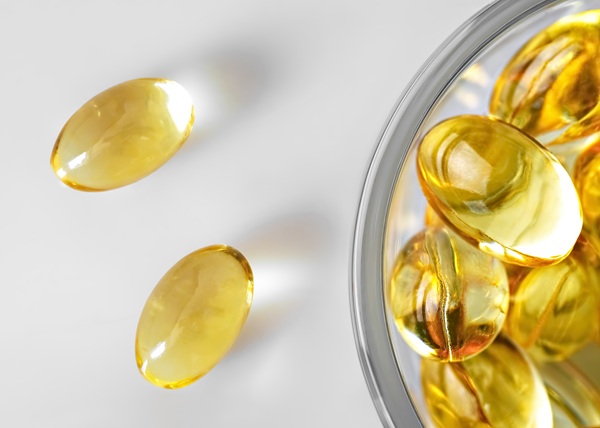
Are there any supplements that can help?
Research has demonstrated that whey protein can increase the cross sectional size of tendons associated with resistance training. This may be due to the presence of amino acid leucine, which is found in whey protein, and has been shown to induce a positive anabolic stimulus to connective tissues. High doses of fish oil have also been observed to be anti-inflammatory and may also be beneficial. Reduction or elimination of vegetable or seed oils which can be very high in omega 6 fatty acids can also reduce inflammations.
Anti-inflammatory medications
Anti-inflammatory medications have been shown in some studies to impair the healing of tissue. Furthermore, anti-inflammatory medications have side effects which can include increased risk of heart disease, kidney problems and stomach ulcers. In general, use of such medications should be short term and be recommended under competent medical supervision.

Is injecting cortico-steriod helpful....
Corticosteroid injections can provide rapid, short-term pain relief and reduce acute swelling, but whether they are the right choice depends heavily on your specific injury, which tendon is affected, and how long the issue has been present.
Furthermore, longer term outcomes are likely to be worse. The practice of injecting directly into the tendon is now only rarely performed due to a delayed risk of tendon rupture. In some circumstances it is reasonable to inject into the sheath around the tendon but only under prescription of a medical professional.
Risks & Benefits....
Potential Benefits (Short-Term)
- Fast Pain Relief: Corticosteroids are powerful anti-inflammatory agents. They can significantly reduce localized pain, often within 24 to 72 hours.
- Function Restoration: By easing intense pain and swelling, an injection can make it easier to participate in active rehabilitation and physical therapy.
Critical Risks & Considerations Potential Benefits (Short-Term)
- Fast Pain Relief: Corticosteroids are powerful anti-inflammatory agents. They can significantly reduce localized pain, often within 24 to 72 hours.
- Function Restoration: By easing intense pain and swelling, an injection can make it easier to participate in active rehabilitation and physical therapy.
Warnings....
Warning: Corticosteroid injections around tendons carry notable long-term risks, which is why medical guidelines generally urge caution.
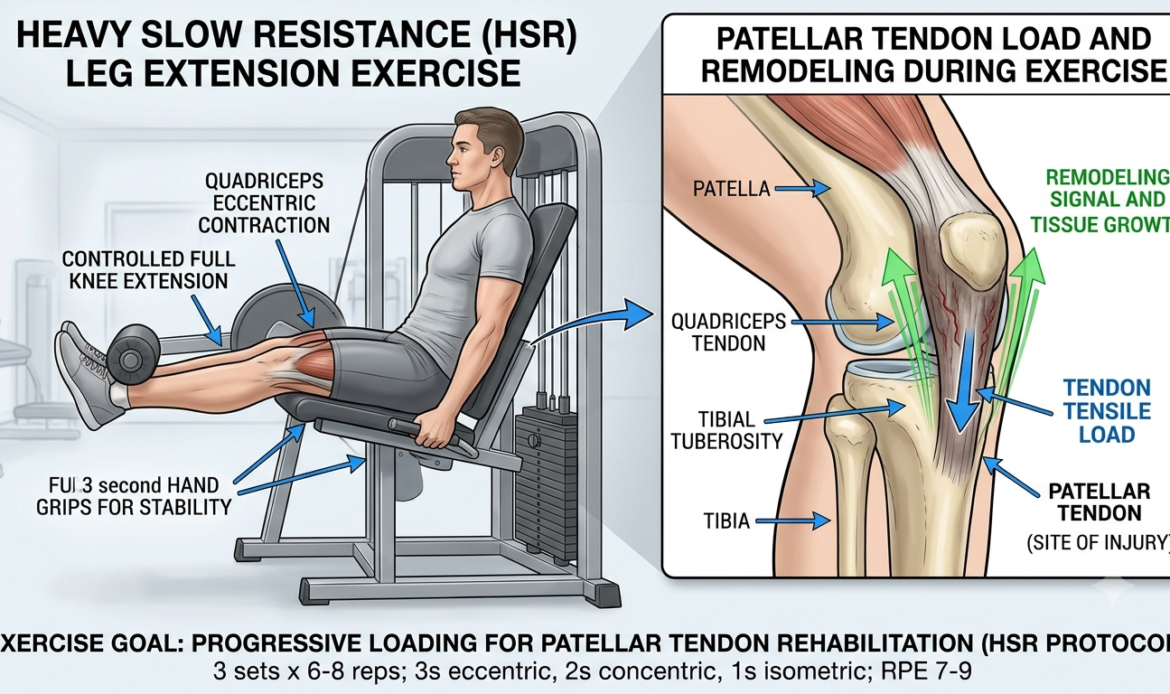
- Risk of Tendon Rupture: Steroids can temporarily weaken the structural integrity of collagen fibers, making the tendon weaker and increasing the risk of a full tear—especially under heavy loading.
- Tissue Atrophy & Degeneration: Repeated injections can cause localized fat atrophy, skin thinning/depigmentation, and accelerated breakdown of the tendon matrix.
- Degeneration vs. Inflammation: Many long-standing tendon issues (like tendinopathy or tendinosis) involve tissue degeneration rather than active inflammation. In these cases, steroids do not repair the underlying structural damage.
- High-Risk Locations: Doctors generally avoid injecting certain load-bearing tendons—such as the Achilles tendon or patellar tendon—due to a elevated risk of complete rupture.
Recommended Next Steps
- Consult a Specialist: An orthopedic physician or sports medicine specialist should evaluate your specific tendon using clinical tests and imaging (such as the ultrasound mentioned earlier).
- Explore Safer Alternatives: Targeted exercise programs (specifically eccentric and isometric loading), activity modification, and ultrasound-guided dry needling or PRP (platelet-rich plasma) are often preferred for long-term recovery.
- Limit Frequency
How can I keep track of my progress?
It is often difficult to detect the improvements that occur in symptoms with time. A standard assessment questionnaire will often demonstrate improvement and assist with motivation and compliance. This is usually performed monthly.

Phases of Rehabilitation
Phase 1: isometric exercises
- may be performed multiple times per day for pain relief
- 45-60 second hold
- 1-5 repetitions
- Resistance ~70% MVC (maximum voluntary contraction)
Phase 2: introduction of dynamic exercise

- Concentric and eccentric contraction
- Begin slowly (3 seconds down, 3 seconds up)
- Perform every 2nd day
- Resistance based on 8 RM (repetition maximum)
- Should be no more than 3-4/10 pain while performing exercise
- 24–48-hour pain/stiffness score should be used as a guide to exercise progression or reduction
- When can complete 3 sets 8 RM, progress to next stage.
Phase 3: progression of dynamic exercise (energy storage and release)

- Increase velocity of exercise to improve the ability of tendon to store and release energy like an elastic band
- Exercise will depend on tendon being rehabilitated, and goal activity
- Perform every 2nd or 3rd day
Phase 4: return to sport
- Maintenance program performed with adequate recovery time to allow sporting performance.