

A tendon is a tough, flexible band of fibrous connective tissue—primarily made of collagen—that connects skeletal muscles to bones.
Key Characteristics & Functions:-
1. Force Transmission: When a muscle contracts, it pulls on the tendon, which in turn pulls on the bone to create movement across a joint.
2. Composition: Composed largely of parallel collagen fiber bundles, giving them high tensile strength to withstand powerful mechanical forces while retaining some elasticity.
3. Tendons vs. Ligaments: While both are fibrous connective tissue, tendons connect muscle to bone, whereas ligaments connect bone to bone to stabilize joints.
A tendon is the ‘rope’ that connects muscles to bones. It is mainly made up of a protein called collagen. Tendons transfer the force that muscles produce to our skeleton allowing us to move. Overuse injuries to tendons occur when the damage that occurs with loading (frequently through exercise) exceeds the repairing ability of the body. This may occur due to excess force, insufficient recovery time, or other factors such as metabolic derangement that may be seen in conditions like diabetes.

When we contract a muscle connected to a tendon with enough force, the tendon will stretch slightly. The cells within the tendon can sense this force, and respond by making more proteins to make the tendon stronger. It is interesting to note that other tissues respond in a similar way to applied force, notably muscle and bone. Without the effect of gravity, astronauts are at increased risk of osteoporosis, or weak bones due to the reduced force on their skeleton.
Pain will frequently resolve with rest. After a period of rest however, the tendon will be relatively weak. Resumption of your previous level of activity at this time will likely exceed the load your tendon can safely cope with, and lead to a recurrence of your symptoms. A progressive loading program leading to graded strengthening of your tendon will allow you to return to a higher level of activity.


To encourage adaptation of a tendon with exercise, the tendon needs to be targeted specifically. Your therapist will prescribe specific exercises that target the injured tendon. For example, having a bent knee while doing calf raises targets the Achilles tendon more effectively than with a straight knee.
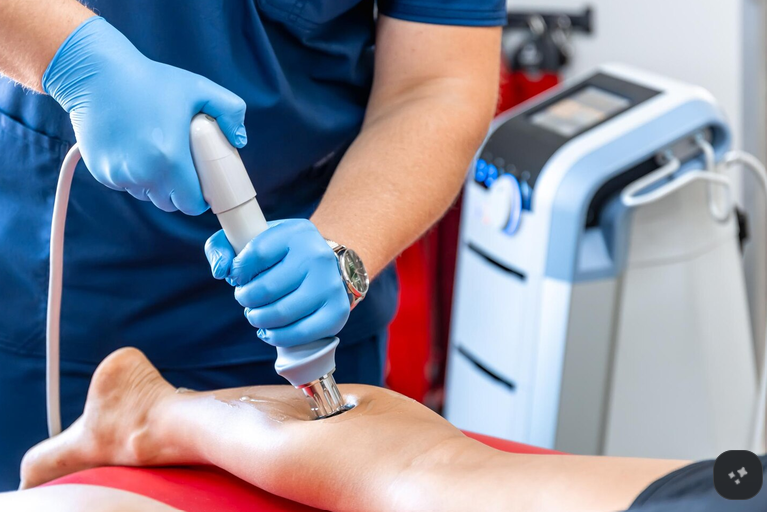

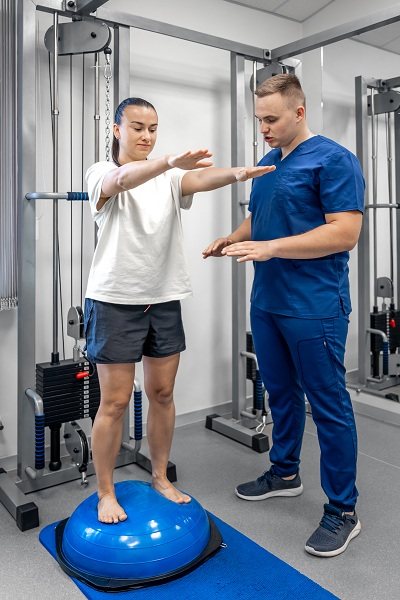
Force through a tendon leads to a small degree of stretch. There is a ‘goldilocks zone’ for the optimal amount of tendon stretch. Too little, and there won’t be a sufficient stimulus, too much and the response will be compromised. Your therapist will advise you on appropriate exercise resistance. As your load tolerance increases, the resistance of you exercises will be progressed.
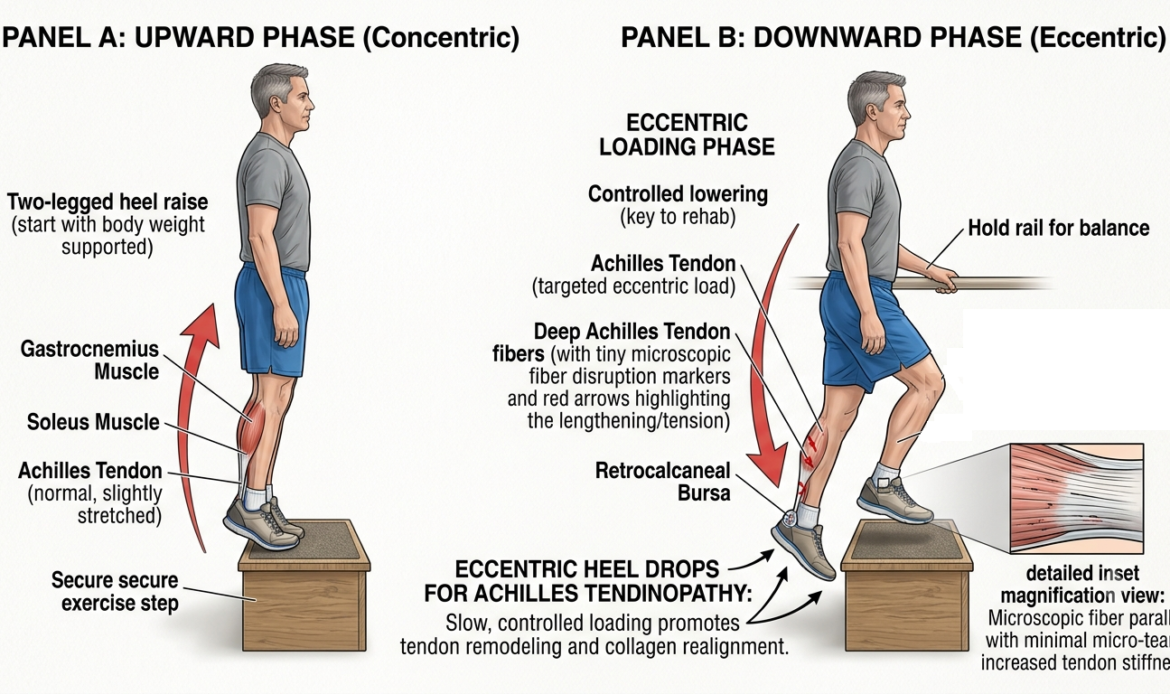
Sometimes a tendon can be torn. When this happens, there will be a sudden event with immediate pain. This type of injury needs to be managed differently to an overuse injury. Overuse injuries may be either reactive (early) or degenerative (late). In the early stage of a reactive injury, sometimes rest for a short period of time may be all that is necessary. The longer an injury persists, the more likely it is to progress to the degenerative type, where a controlled progressive loading program is needed.
How long does an exercise program take to work?
As a tissue, tendons are not very metabolically active when compared to something like muscle. They therefore take longer to strengthen in response to an exercise program. While some cases may require 6 months or even longer to recover, most cases will resolve within 2-3 months. A graduated exercise program with appropriate rest periods will optimise this recovery period.
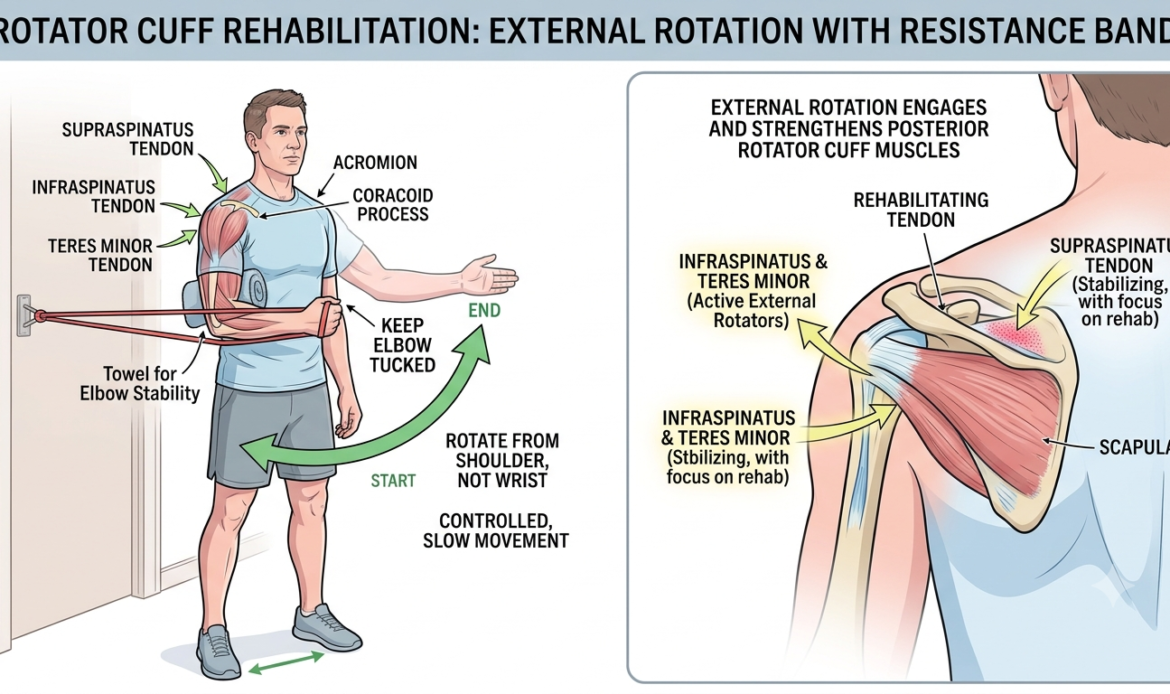
How often should I exercise my tendon?
Exercise loading of a tendon creates micro trauma within the tendon. In general, it takes about 48 hours for a tendon to recover. Repeat loading of the tendon before it has recovered can lead to cumulative damage, leading to tendon injury with time. Therefore strengthening exercises should be carried out every 2nd day. Patients with impaired recovery, such as those on cholesterol lowering statin medications, and those with diabetes for fatty liver disease, may need a longer recovery period between bouts of loading.
It should be noted that early in your program you may be prescribed ‘isometric’ exercises where your muscles contract without moving. This type of exercise is aimed at controlling pain, and may be performed multiple times a day.
Do my exercises have to be completely pain free?
It is unlikely, especially early in the rehabilitation period, that your prescribed exercises will be completely pain free. An acceptable level of discomfort during exercise is 3-4/10. It is more important that the exercise does not make your pain worse over the next 1-2 days. It is very important to keep a morning pain/stiffness and training diary and monitor your response over the 24-48 hours following exercise. An increase in symptoms over this period may require a downward adjustment of your exercise load, or an extra day or two of rest. Your therapist will provide you with guidance.