

Nutrition is fundamental to healthy living, and consuming a balanced daily diet is essential for maintaining optimal health. Eggs are an excellent, nutrient-dense food containing both macro-nutrients and micro-nutrients vital to the human body. A typical large egg provides approximately 6 grams of complete protein—meaning it contains all the essential amino acids required for tissue development, muscle maintenance, and repair. In addition to their high biological value, egg yolks contain dietary cholesterol. Hence, due to the lipid and dietary cholesterol profile present in egg yolks, intake recommendations should be tailored, particularly for individuals with pre-existing hypercholesterolemia.

In nutrition and biochemistry, the term “complex protein” is not standard. Instead, proteins are categorized as complete proteins (or high biological value proteins) because they contain all nine essential amino acids in adequate proportions that the human body cannot synthesize on its own.
Egg protein is considered a gold standard for protein quality due to its optimal amino acid profile and high digestibility/bio-availability, rather than being “complex.”
Eggs contain several complex proteins, each with unique structures and biological functions. The primary and most abundant proteins found in eggs include:
Eggs are one of the most nutrient-dense foods available, offering an exceptional balance of high-quality macronutrients, vitamins, minerals, and bioactive compounds.
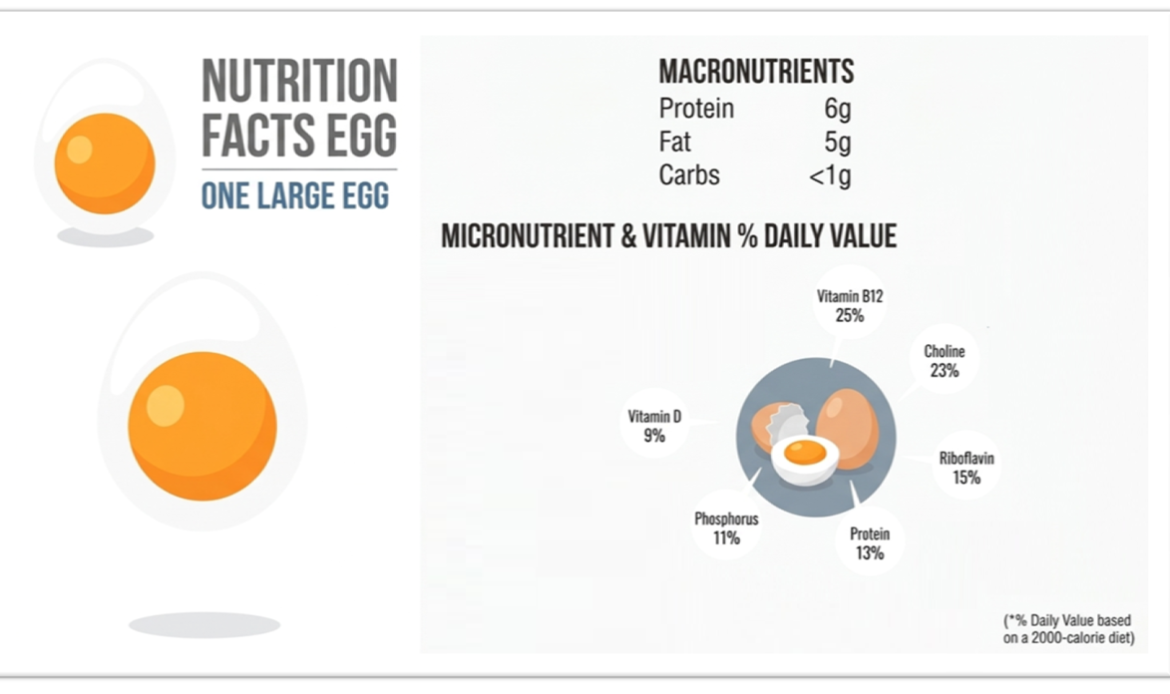
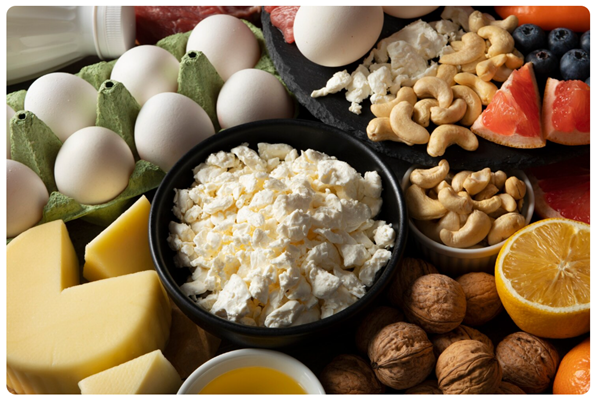
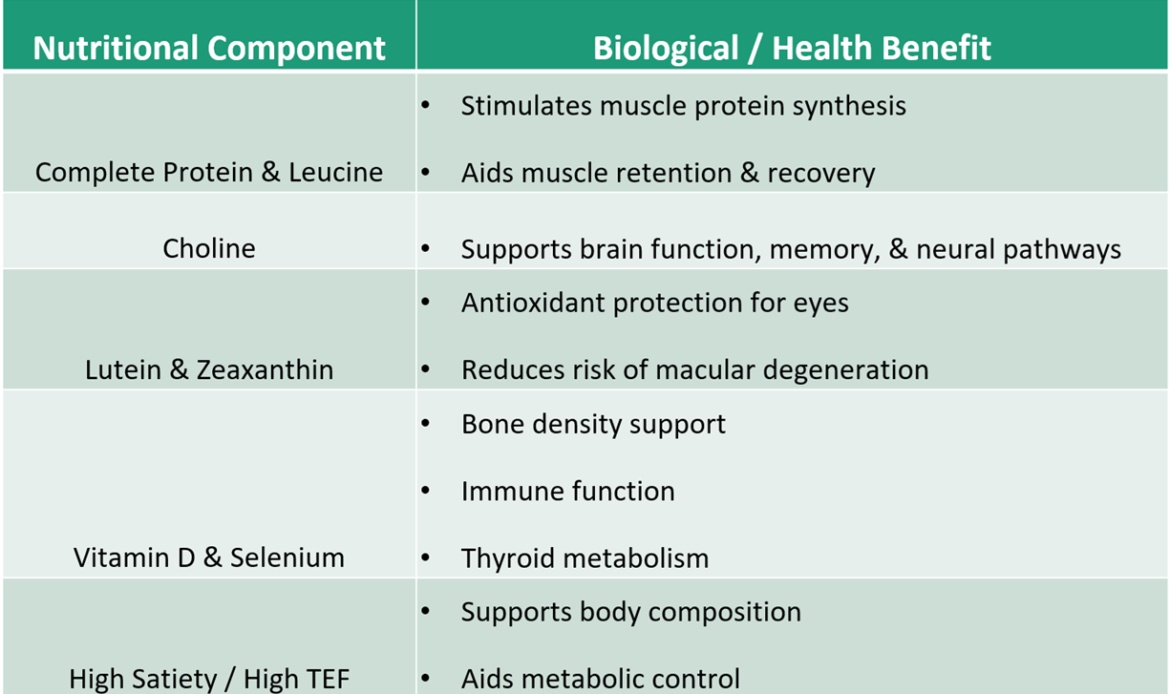
Eggs are consumed globally by all age groups, in all seasons, and in rural and urban settings. The high nutritional value of this protein source is recognized worldwide in nutrition and medicine. Health and nutrition science institutions in several countries like WHO, Spanish Heart Foundation recommend eating eggs regularly as part of a diet. The dietary recommendations of the American Heart Association (AHA) and the European Food Information Committee (EUFIC) also favors the egg consumption. Consuming one egg a day does not increase blood cholesterol levels and does not increase the risk of cardiovascular disease in healthy people. Therefore, it should be part of the weekly diet.
Eggs are mostly consumed in cooked form. It is also used to enrich many foods. Enrichment is a special process where the biological value of food is increased by amino acids, fibers, vitamins, minerals, antioxidants, and other ingredients. The excellent utilization of eggs is mainly due to its complete protein content. Animal based protein products contribute to the building of the muscular system and this also determines the energy balance of the body. The general protein need is 75-80 g (12-15 energy %) in the human body. The best way to provide the organism with protein is a product of animal-based, as the complex protein is properly utilized as well.
The consumption of eggs should be reduced in case of high cholesterol. This is due to the high cholesterol content of eggs. Eggs also have several other beneficial components, such as minerals, and vitamins.
It is important to follow hygienic rules when storing and preparing egg based food.
One of the most significant microorganisms that spreads in eggs is Salmonella, which is a Gram-negative bacterium. The infection due to Salmonella results some severe symptoms, such as fever, abdominal pain, vomiting, diarrhea, intestinal inflammation, and loss of energy-balance in the human body.
The consumption of raw egg must be avoided as it can be the source of infections in humans. Contamination of eggs poses a high risk to food safety.

As raw and undercooked eggs may contain Salmonella, hence, it is necessary to boil or cook eggs properly before consumption.