
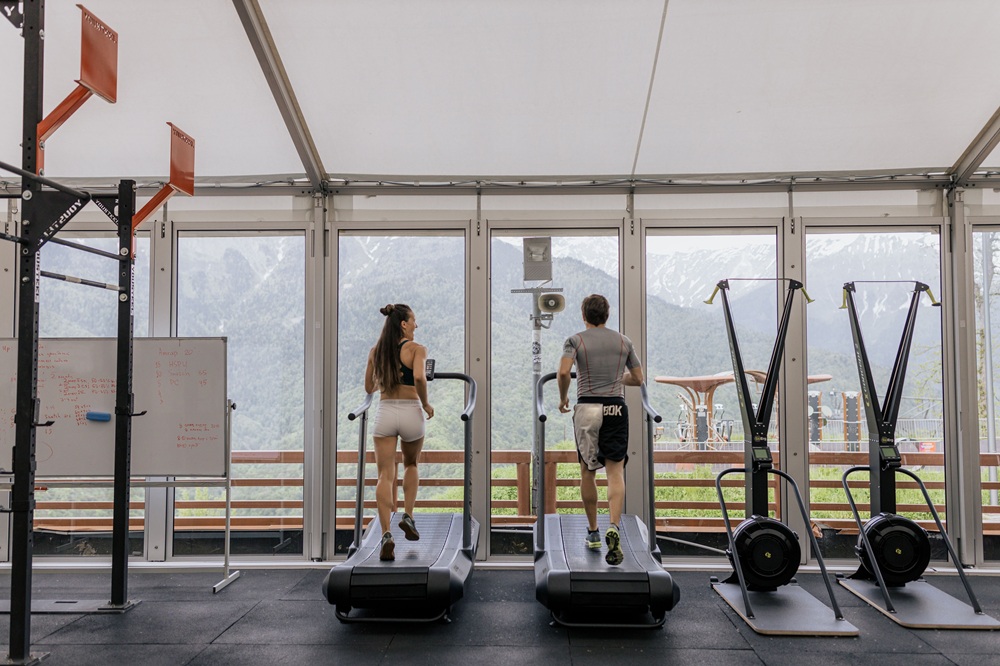
We can perform several different exercises targeting different muscle groups in our body with the use of several equipment. These equipment are mainly targeted for assistance in training in both strength building and muscle building exercises.
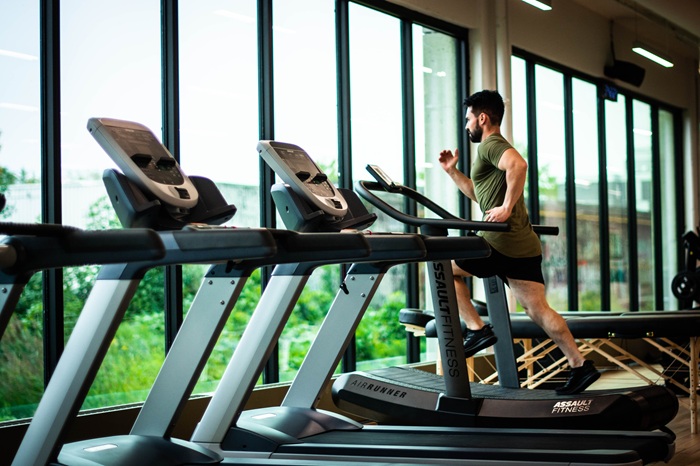
This machine is used to simulate running and walking type of exercises. It can be used indoors and is a great mechanism for cardio from beginner to advanced levels. Low speed brisk walks with elevated levels of inclination can be used for beginners for increasing their step size and activate a moderate level of calorie burn. It is also helpful to runners for practising medium to high-speed running sessions within the convenience of staying indoors. Treadmills are available in 2 varieties: electrical and manual. For both the cases, it displays the distance covered, the duration of activity, average speed, calorie burnt and heart rate information.
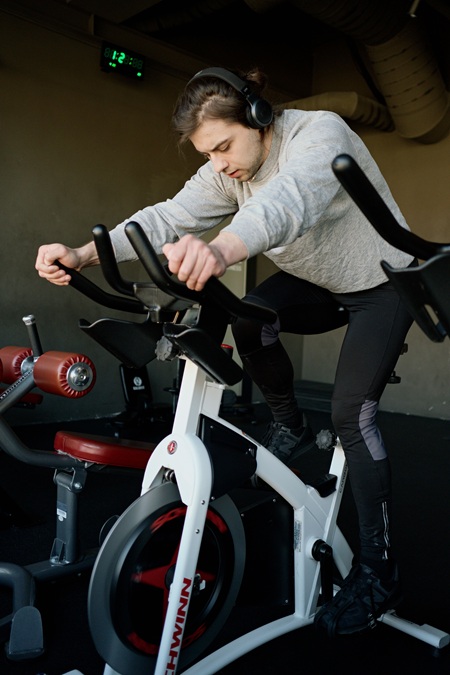
A spin bike is a stationary bike that mimics a road bike. The only difference is that it is static and has one single wheel. Using this machine, you can sit on a padded seat and paddle, causing the spinning disc to rotate. The disc can have different levels of resistance that can be set to stimulate cycling in the real world.
Muscles Used:
Core, Glutes, quadriceps, hamstrings.
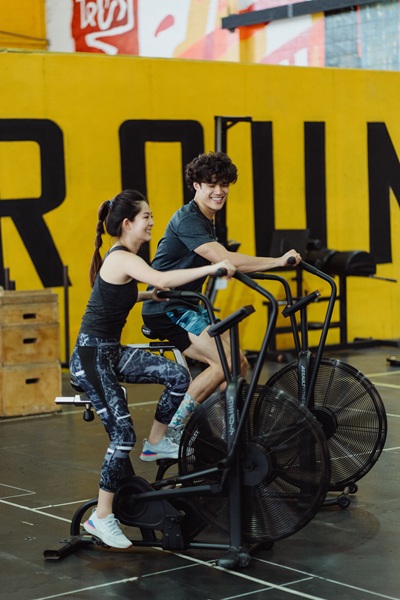
An air bike is an indoor exercise bike that has moving handles and a built-in fan. It has more benefits than a standard spin bike. Air bikes use fan resistance, meaning the harder you pedal, the more resistance you encounter. This dynamic resistance engages both the upper and lower body, making it a full-body workout. Air bikes are particularly effective for:
Boosts aerobic and anaerobic capacity
Fat loss: High-intensity intervals increase calorie burn and metabolic rate
Strength and endurance: Works arms, legs, and core simultaneously
Low-impact exercise: Gentle on joints while still challenging
Muscles Used: Whole Body
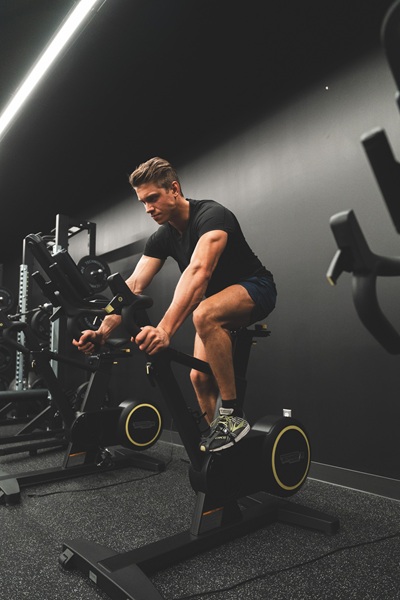
Upright bikes are exercise bikes where the legs are positioned a lot closer to the body by placing the pedals directly beneath your hips. This posture engages the core muscles more than normal bikes while avoiding the aggressive positioning of spin bikes, making them ideal for daily use and longer workouts. They are low-impact, easy on the joints, and suitable for riders of all sizes, making them a versatile option for home cardio.
Muscles Used: Calves, Core muscles, quadriceps, hamstrings, glutes.
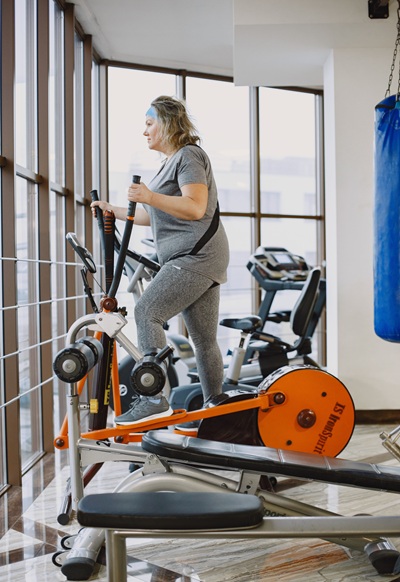
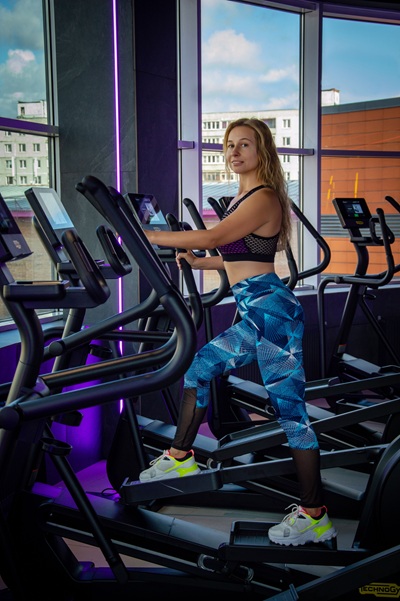
This machine also known as the cross trainer, provides a full body workout that simulates running, cycling and climbing activities. It involves the use of two pedestals for placing the feet and two movable handles for the arms. But compared to other cardio machines, this exercise causes little more stress to the knees and hips. They combine upper and lower body movements, improving cardiovascular fitness and muscle tone.
Stride Length: Adjustable to accommodate different heights for comfort and efficiency.
Resistance Levels: Variable resistance allows customization for beginners to advanced users.
Ergonomics: Designed to maintain proper posture and reduce strain.
Benefits: Suitable for all fitness levels, including those recovering from injuries or seeking low-impact cardio. They enhance endurance, coordination, and overall fitness.
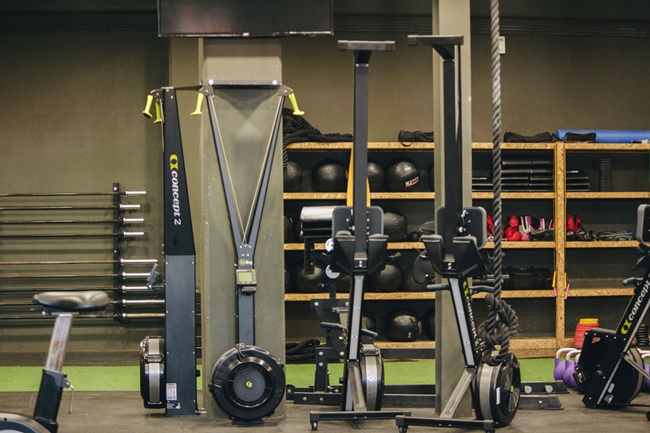
A Ski-erg is the Nordic version of a rowing machine. It is used in standing position and the arms are used to pull down a set of cables simulating a posture and movements similar to Nordic skiing. The Ski Erg engages both the upper and lower body, including lats, shoulders, arms, core, and legs, making efficient for building muscular strength and endurance simultaneously. Its dynamic, rhythm-based motion maximizes oxygen utilization, which enhances aerobic capacity over time.
Every stroke on the Ski Erg requires core engagement to stabilize the torso, improving balance, trunk stability, and posture. Because it recruits multiple large muscle groups simultaneously, the Ski Erg is highly effective for burning calories and supporting fat loss.
Muscles Used: Hamstrings, quads, calves, chest, posterior deltoid, latissimus dorsi, abdominal and core muscles, hip flexors, back muscles.