
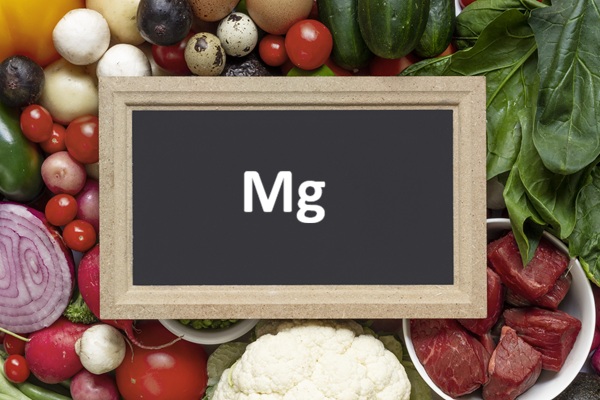
Do you feel muscle pain after every workout, or do you often feel drained even after a full night’s sleep? If yes, your body might be craving magnesium. What makes magnesium even more essential is how it fuels your energy levels. It helps convert the food you eat into usable energy. So if you’re constantly Feeling a constant low on energy level despite getting adequate calories or sleep could be a deficiency of magnesium.
Magnesium is also known as the “relaxation mineral”. This mineral is essential for faster muscle recovery, dealing with cramps, boosting stamina, and helps retain the energy levels.
Although protein intake, hydration, and sleep are important for recovery, but magnesium plays a key role in this aspect. Without it, even a light gym session can have persistent stiffness and keep you tired and worn out all day long.


Extension and contraction of muscles occur during exercises, leading to lengthening and shortening of the muscle fires. Under such situation, lack of enough magnesium in your body, will lead to cramps, lactic acid accumulation and long term post workout fatigue .Magnesium plays an important role in calming down the nervous system, thereby promoting deeper sleep and faster recovery.
Magnesium is an antioxidant, and getting enough might help lower in chronic inflammation of your body which can help with healthy weight management and chronic disease risk.
The average adult male needs 400 mg to 420 mg of magnesium per day, and the average adult female needs 310 mg to 320 mg per day.
Magnesium is found in Leafy greens like spinach, nuts such as almonds and cashews, pumpkin seeds, fruit like banana, soymilk, black beans and edamame. Add more greens to your meals, snack on a handful of seeds, drink plenty of water, and make sure your sleep schedule isn’t all over the place.
Magnesium is naturally found in food and abundant in leafy greens, beans, legumes, whole grains and more. Some sources of magnesium and their content are as follows:-
Pumpkin seeds: 1 ounce (37% Daily Value)
Chia seeds: 1 ounce, roasted (26% DV)
Almonds: 1 ounce, dry-roasted (19% DV)
Spinach: ½ cup, boiled (19% DV)
Cashews: 1 ounce, dry-roasted (18% DV)
Peanuts: 1 ounce, oil-roasted (15% DV)
Soymilk: 1 cup (15% DV)
Black beans: ½ cup cooked (14% DV)
Edamame: ½ cup, shelled and cooked (12% DV)
Potato: 3½ ounces, baked with skin (10% DV)
Brown rice: ½ cup, cooked (10% DV)
Plain yogurt: 8 ounces, low-fat (10% DV)

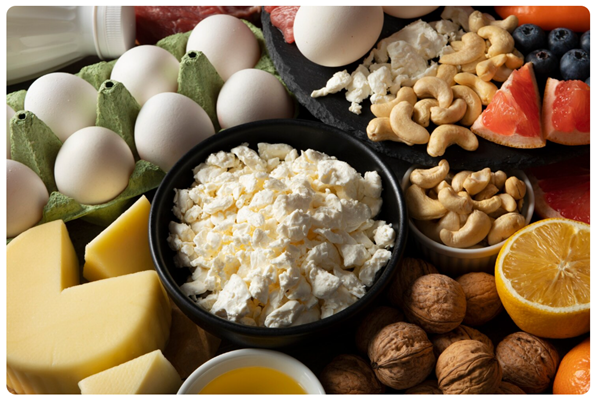
Magnesium citrate or glycinate are easy on the stomach and absorb well. However, it is important to consult a primary healthcare provider first and consider certain factors before reaching for a bottle of magnesium. This is partly because there are several forms of magnesium, and their absorption efficiency in the body varies on the type of magnesium compound that you are consuming. For instance, some small studies have found that magnesium citrate, magnesium aspartate, magnesium lactate and magnesium chloride are more bioavailable than magnesium oxide and magnesium sulfate.
Moreover, all forms of magnesium have varying effects, so it is best to discuss the right type of magnesium and dosage with a healthcare practitioner.
Soaking for 15 to 20 minutes in Epsom salt baths after a workout can relax stiff muscles and calm the mind at the same time. Nowadays, magnesium oil sprays are available for quick relief from muscle soarness after exercise sessions.
This is very useful content.