
Around the world, people of all genders and skill levels – from athletes to those looking to improve their health – are engaging in resistance training to build muscle mass and strength. This type of training involves any exercise that makes muscles contract against an external resistance, leading to increases in strength, tone, mass, and endurance. This resistance may come from dumbbells, tubing, water bottles, or even your own body weight.
While consistent exercise is crucial, building muscle requires more than just training. A well-balanced intake of the right macro-nutrients is essential for promoting muscle growth. Specific protein and carbohydrate requirements are neccessary for individuals seeking to gain lean mass and strength.
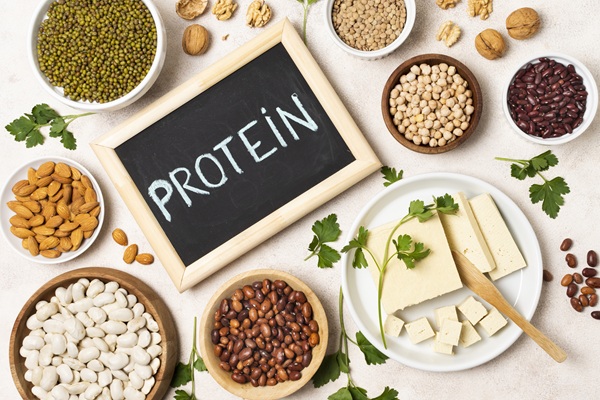
Protein is the most critical macronutrient for gaining mass through resistance training. Because muscle tissue is primarily composed of protein and water, consuming adequate amounts is essential for muscle growth. Furthermore, high-intensity resistance exercise increases both muscle protein degradation and synthesis rates (Lambert, 2004).
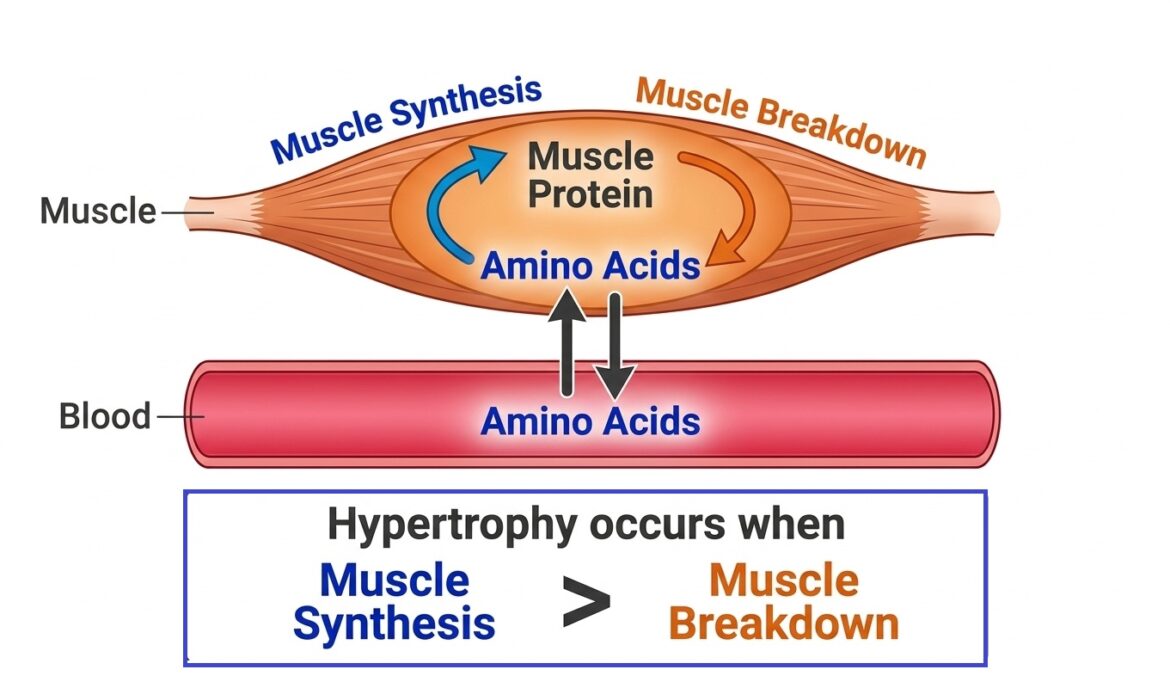
Proteins in our bodies are always being made or “synthesized” and used up simultaneously. This process of proteins being created and then having the body get rid of them is a protein turnover system known as protein synthesis. Our bodies use this process to maintain a healthy balance of useful proteins and get rid of damaged ones. In an individual who is practising resistance training, this protein turnover is the general basis for how skeletal muscle grows in response to the level of training. Amino acids are also a part of this protein turnover system, as they are the result of the breakdown of proteins.
Protein Synthesis—specifically Muscle Protein Synthesis (MPS)—is the biological repair process where the body builds new structural proteins to rebuild and enlarge muscle fibers damaged during exercise. Muscle protein synthesis is the key factor behind gaining muscle mass through resistance training. Hence, if a person is able to increase the rate at which it is happening and can continue the process for a longer period of time, then they will be experiencing an increase in muscle growth and development.
When you lift weights or perform high-intensity resistance training, you create micro-tears in your muscle tissues and trigger muscle protein breakdown (MPB). Muscle protein synthesis is the body’s counter-mechanism: it uses dietary amino acids (the building blocks of protein) to repair these microscopic tears, laying down thicker, stronger muscle proteins (actin and myosin).
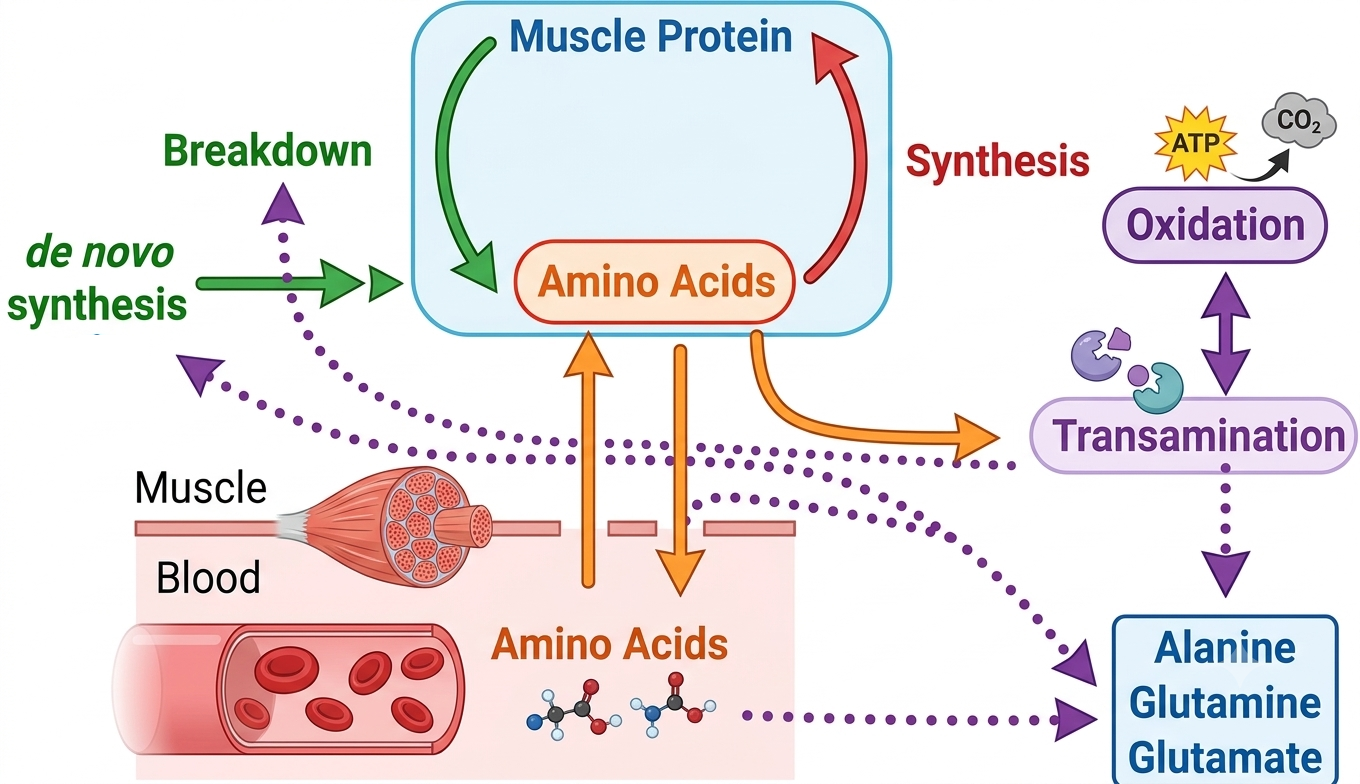
This figure illustrates the process of skeletal muscle protein turnover, also incorporating the presence of amino acids being formed by the breakdown of proteins in the system.
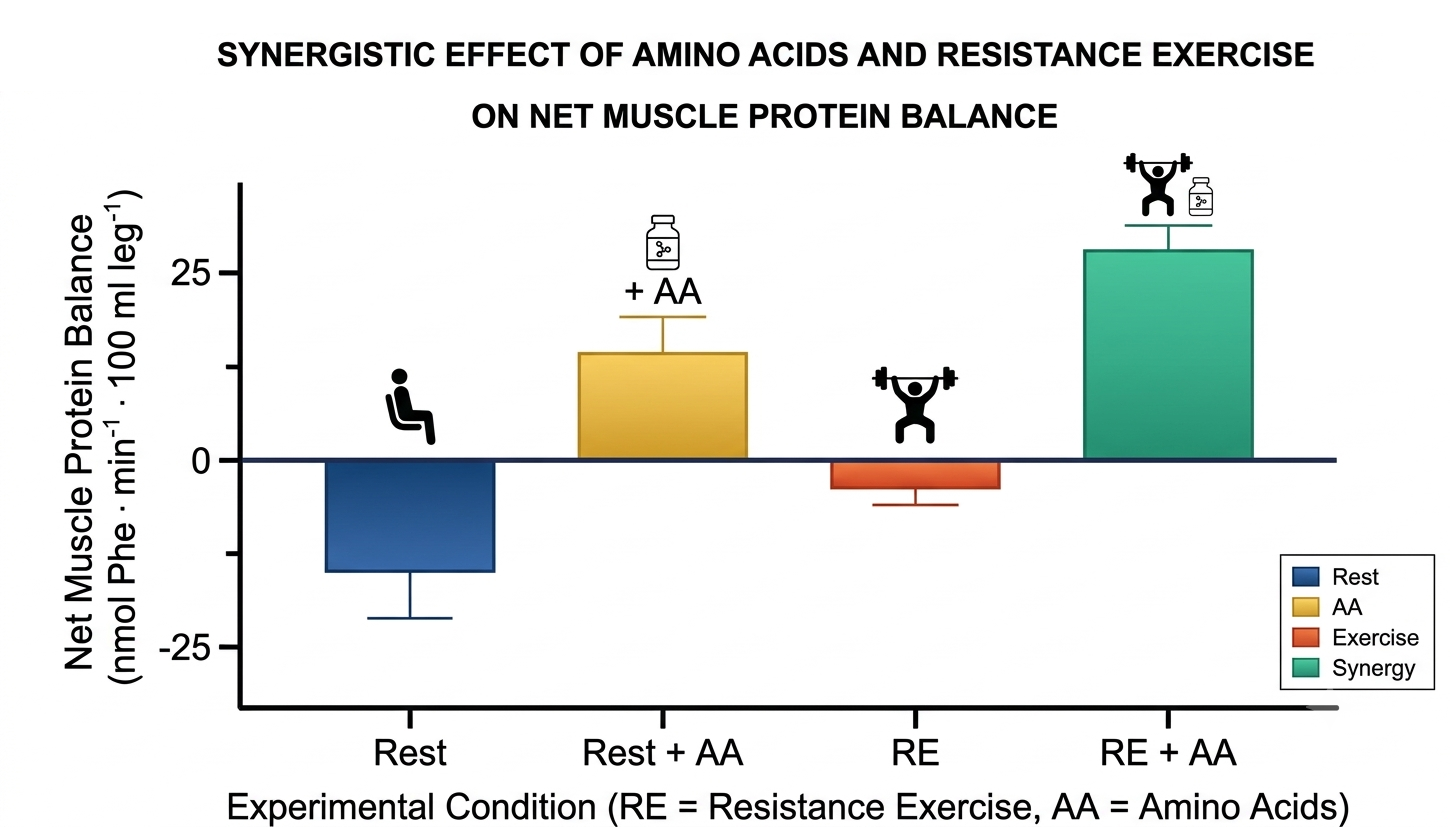
This graph illustrates the combined effects of resistance exercise (RE) and amino acid (AA) ingestion on net muscle protein balance.
The figure is a graphical representation of the positive and negative net muscle protein turnover under certain conditions.
It can be noted from the graph that a more positive protein synthesis occurs when protein is ingested in addition to an individual having performed physical activity (resistance training).
It can be noted from the graph that a more positive protein synthesis occurs when protein is ingested in addition to an individual having performed physical activity (resistance training).
It is necessary to find out how much protein a person actively involved in resistance training actually needs to consume in order to get any results.
Research suggests that 1.4- 2.0 grams per kilogram of body weight per day of protein is needed for physically active people.
“In contrast, the US recommended daily allowance (RDA) for protein is 0.8 g/kg/day” (Antonio, 2014).
This amount of consumption is still less than the adequate amount needed for athletes or active people in general who are involved in physically active training.
The ideal carbohydrate intake for individuals trying to gain body mass is not a clearly defined value, but enough research exists to give a general guidelines for carbohydrate consumption. “Glycogen is the major energy component for high-intensity exercise. The body relies on the muscle glycogen when undergoing resistance training. If a person’s muscle-glycogen levels were low, then it would affect their high intensity workouts and hamper performance. So it is necessary to have the right amount of muscle glycogen levels in your body so that energy requirements, muscle growth and development are all supported.
Research has shown that even one training session at the gym can reduce muscle glycogen stores anywhere from 24-40%. So this now begs the question, how much carbohydrates should a person consume in order to have the proper muscle glycogen levels to support muscle growth and maintain energy levels?
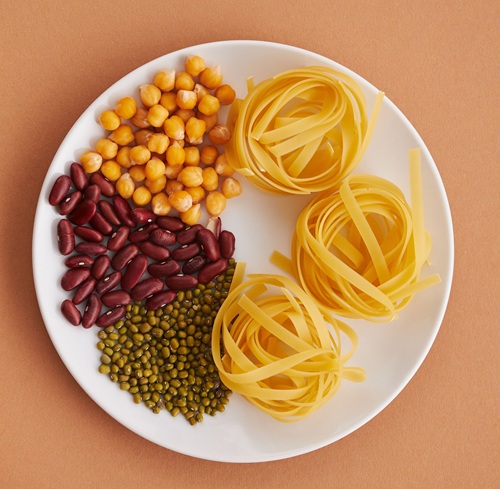
Research suggests that bodybuilders who need substantial muscle growth should consume about 5-6 grams of carbohydrates per kilogram of body weight per day.
But not normal individuals who are trying to gain muscle mass and strength want to do so on the scale of a bodybuilder. But a fair amount of intake should still be present, somewhere slightly below the levels of 5 grams depending on the individual’s body weight, age, health condition and training requirements. The exact amount for any person will be best recommended by a certified dietician or nutritionist consultation.
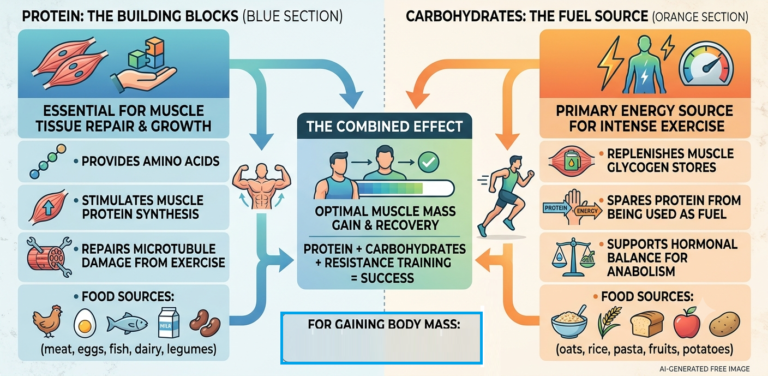
Maximizing body mass relies on combining both macro-nutrients within a caloric surplus. While protein provides the structural framework for tissue expansion, carbohydrates supply the vital energy needed to power through progressive overload workouts without burning away muscle tissue.
It seems to be clear that protein and carbohydrates play a major role in determining a person’s ability to gain body mass or muscular strength. This blog only provides a basic understanding of the roles of protein and carbohydrates in building body mass and restoring energy levels.
Gaining quality body mass (hypertrophy) requires a strategic interplay between structured resistance training, a caloric surplus, and the precise physiological roles of both proteins and carbohydrates.